 by
by Getting a credit card in India is not only about filling out an application form. Banks and financial institutions generally check several factors before deciding whether to approve an application.
Your income, age, employment, credit history, existing debts, residential status, and relationship with the bank can all influence the decision. The exact requirements also vary from one card and issuer to another.
For example, Axis Bank currently lists age, minimum income, residential status, documents, and credit history among its eligibility considerations. HDFC Bank also explains that income, age, residency, bank account status, and credit history can affect credit card eligibility.
If you are planning to apply for a credit card, understanding these factors beforehand can help you choose a suitable card and avoid unnecessary applications.
What Is Credit Card Eligibility?
Credit card eligibility refers to the conditions you generally need to meet before a bank will consider your application.
These conditions can include:
- Minimum and maximum age
- Minimum income
- Employment status
- Residential status
- Credit score and credit history
- Existing loans and credit cards
- Required identity and income documents
- Relationship with the bank
Meeting the basic eligibility criteria does not guarantee approval. Banks can use their own internal assessment methods and may approve or reject an application based on additional factors.
Income Requirements
Income is one of the most important factors because the bank wants to determine whether you have the ability to repay what you borrow.
There is no single minimum income requirement for every credit card in India. Entry-level cards may have relatively modest requirements, while premium cards can require significantly higher income.
For example, Axis Bank currently states a minimum income of ₹15,000 per month for its credit card eligibility information, while Federal Bank notes that some premium cards may have higher income expectations.
Your income may be verified through documents such as:
- Salary slips
- Bank statements
- Income Tax Returns
- Other accepted income documents
Self-employed applicants may be asked for additional financial information.
Credit Score Matters
Your credit score is another important part of the application process.
Banks use credit information to understand your previous borrowing and repayment behavior. A strong credit history generally gives lenders more confidence that you can manage credit responsibly.
HDFC Bank says that a good credit score, ideally around 750 or above, can improve the chances of approval. However, there is no universal score that guarantees approval for every card.
TransUnion CIBIL also explains that lenders check the CIBIL Score and Report when evaluating credit card applications. A good score, combined with a clean repayment history, can improve your chances of getting the card you want.
Your Credit History Is More Than a Number
A credit score is important, but lenders can also look at the information behind that score.
Your credit history may show:
- Previous credit cards
- Loans
- Payment history
- Outstanding balances
- Defaults
- Credit enquiries
- Account status
Someone with a high score but recent repayment problems may not necessarily receive approval for every card.
Similarly, someone with a limited credit history may find it harder to qualify for certain premium cards.
Age Requirements
Age requirements vary between banks and individual cards.
Some issuers may allow certain secured credit cards from age 18, while unsecured cards can have a higher minimum age. Federal Bank, for example, currently lists 18 as the minimum for certain secured cards and 21 for unsecured cards.
Maximum age requirements can also vary.
Axis Bank currently lists a primary cardholder age range of 18 to 70 for its general eligibility information, although specific customer categories can have different limits.
Therefore, always check the specific card rather than assuming that every credit card follows the same age rules.
Employment and Income Stability
Banks may consider whether you have a regular source of income.
Both salaried and self-employed individuals can qualify for credit cards, although the documentation and assessment may differ.
A salaried applicant may provide salary slips or other employment-related documents, while a self-employed applicant may need to provide Income Tax Returns, bank statements, or financial records.
A steady income can help demonstrate repayment capacity.
Existing Loans and Credit Cards
Having other loans or credit cards does not automatically mean your application will be rejected.
However, lenders may consider your existing financial obligations when evaluating a new application.
For example, someone with multiple outstanding loans and large credit card balances may represent a different risk profile from someone with similar income but lower existing obligations.
Before applying, review your current debts and make sure your payments are up to date.
Credit Utilization Can Also Matter
If you already use credit cards, the amount of available credit you are using can be relevant to your overall credit profile.
For example, consistently using almost all of your available credit may indicate that you are relying heavily on revolving credit.
Keeping balances manageable and paying bills on time is generally a healthier approach than repeatedly reaching your credit limit.
Remember that having a high credit limit does not mean you should spend more.
Residential Status
Residential status can also be part of eligibility.
Many cards are available to Indian residents, while some issuers also provide credit card options for Non-Resident Indians.
For example, Axis Bank currently states that applicants can be Indian residents or NRIs for its credit card eligibility information.
Specific requirements can differ based on the card and applicant category.
Documents You May Need
When applying for a credit card, you may need to provide documents that confirm your identity, address, and income.
Common examples include:
| Requirement | Possible Documents |
|---|---|
| Identity Proof | PAN, Passport, other accepted ID |
| Address Proof | Aadhaar, Passport, Driving Licence, etc. |
| Income Proof | Salary slips, ITR, bank statements |
| Employment Details | Employer or business information |
| KYC | Documents required by the issuer |
The exact documentation depends on the bank and application method. CIBIL also lists credit reports, bank statements, KYC documents, and income statements among documents that may be required, while noting that requirements can vary by lender.
Relationship With the Bank
Your existing relationship with a bank can sometimes be useful.
If you already have a savings account, salary account, loan, or another financial relationship with a bank, the institution may already have information that helps with its assessment.
Bank of India, for example, lists having a valid and active savings account with the bank among its credit card criteria.
This does not mean an existing customer is guaranteed approval. The bank can still assess income, credit history, and other factors.
What If You Have No Credit History?
Having no credit history is different from having a poor credit history.
If you have never used a loan or credit card, a lender may have limited information about your repayment behavior.
One possible option is a secured credit card backed by a fixed deposit. CIBIL explains that secured credit cards can be useful for people who do not have an established credit history because the fixed deposit provides security to the lender.
This can be an alternative worth researching if you cannot qualify for a traditional unsecured card.
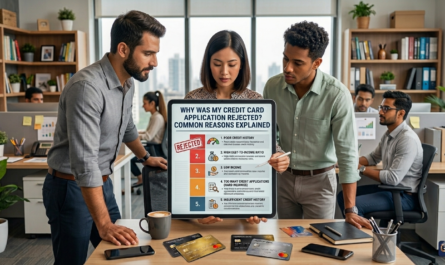
Why Credit Card Applications Can Be Rejected
There can be many reasons for rejection.
Common possibilities include:
- Income below the card’s requirement
- Weak or limited credit history
- Recent payment defaults
- High existing debt
- Too many recent credit applications
- Incomplete documentation
- Not meeting age requirements
- Location or employment restrictions
- Internal bank risk criteria
A rejection does not necessarily mean you can never get a credit card. It may simply mean that the particular card was not suitable for your current financial profile.
How to Improve Your Chances Before Applying
Before submitting an application, take a few simple steps.
First, check your credit report for errors. CIBIL currently provides eligible consumers with one free CIBIL Score and Report every calendar year.
Next, make sure your existing bills and loan payments are up to date.
Avoid applying for many cards at the same time. Instead, compare eligibility requirements and select a card that matches your income and credit profile.
Finally, keep your documents ready and provide accurate information in the application.
Frequently Asked Questions
What income is required for a credit card in India?
There is no universal income requirement. It depends on the bank and specific card. Entry-level cards can have lower requirements, while premium cards generally expect higher income.
Is a 750 CIBIL score required for every credit card?
No. A 750 score is often considered a strong profile, but there is no universal score that guarantees approval or is mandatory for every card. Banks use their own eligibility and risk criteria.
Can I get a credit card without a credit history?
Possibly. A secured credit card backed by a fixed deposit can be one option for people with limited or no credit history.
Can self-employed people get credit cards?
Yes. Many banks accept self-employed applicants, although they may request documents such as Income Tax Returns, bank statements, or other financial information.
Does having a loan prevent me from getting a credit card?
Not necessarily. Existing loans are common. However, the lender may consider your current debt and repayment obligations when assessing the application.
Final Thoughts
Credit card eligibility in India depends on more than just your salary or CIBIL score. Banks can consider your age, income, employment, credit history, existing obligations, residential status, documents, and other internal criteria.
The smartest approach is to check your financial profile before applying. Choose a card whose requirements realistically match your situation instead of applying for several cards and hoping one gets approved.
Most importantly, remember that eligibility rules can vary between issuers and can change over time. Always check the latest official requirements, fees, and terms for the specific credit card before submitting your application.
Guide Nobbe provides general financial information for educational purposes. Credit card approval is determined by the individual issuer. Eligibility requirements, fees, and policies can change, so verify current information directly with the card issuer before applying.