 by
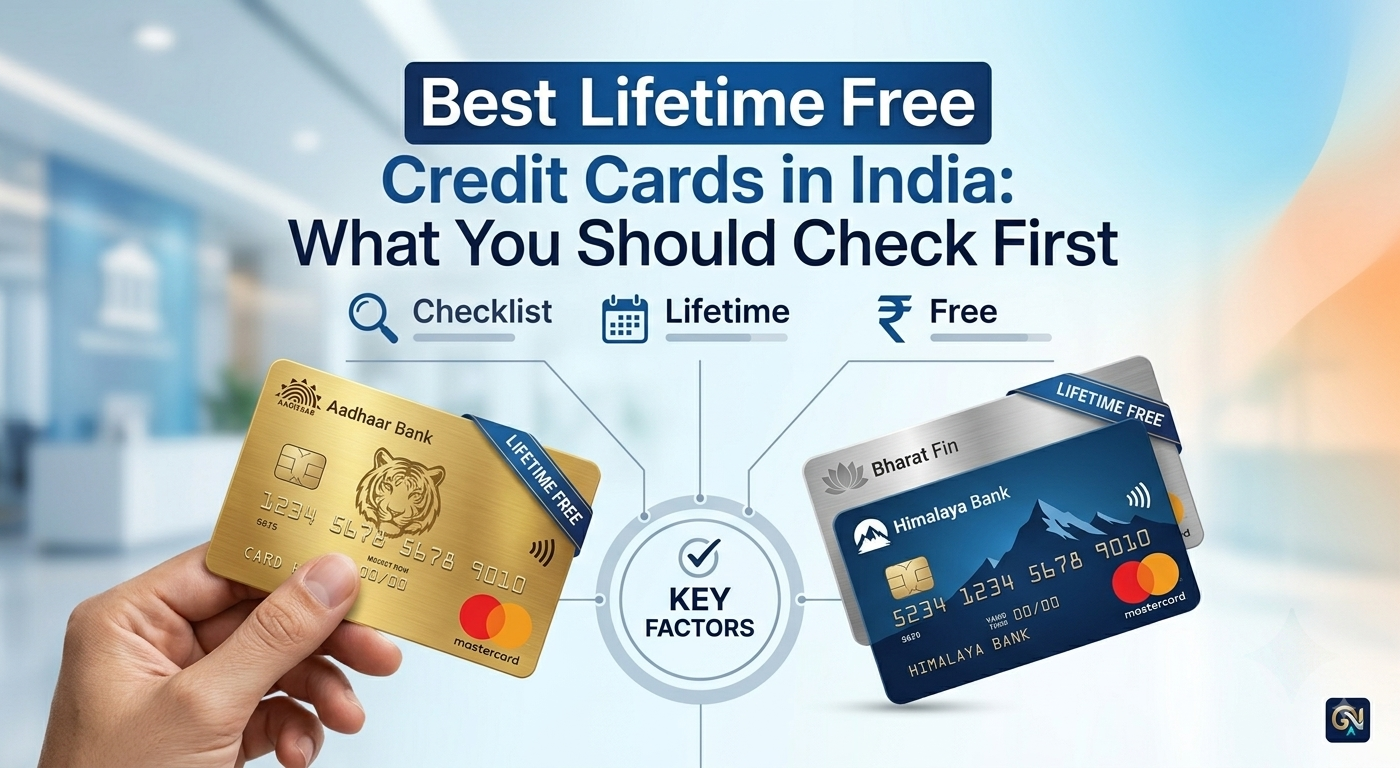
by A lifetime-free credit card can be an attractive option for people in India who want the benefits of a credit card without paying a yearly renewal fee. However, “lifetime free” does not automatically mean that every card is the best choice.
Some cards may have no joining or annual fee but offer limited rewards. Others may provide attractive cashback, discounts, or reward points but have conditions that you should understand before applying.
If you are comparing the best lifetime free credit cards in India, it is important to look beyond the zero annual fee. This guide explains the key factors you should check first so you can choose a card that matches your spending habits.
What Does Lifetime Free Credit Card Mean?
A lifetime-free credit card generally means that the card does not charge an annual or renewal fee during the period you hold it, subject to the issuer’s terms.
Some cards may also have no joining fee, while others may waive the joining fee through a promotional offer or spending condition.
However, a lifetime-free card can still have other charges. For example, you may have to pay interest if you do not clear your outstanding balance by the due date. Other charges can include cash withdrawal fees, foreign currency transaction fees, late payment charges, and certain service fees.
Therefore, always check the complete fee schedule before applying.
Why Should You Consider a Lifetime Free Card?
The biggest advantage is simple: you can keep the card without worrying about an annual membership fee.
This can be especially useful if you are a beginner or someone who does not use a credit card frequently. With a traditional credit card, paying an annual fee may not make sense if your spending is low.
A lifetime-free card can also be useful for building a responsible credit history. When you use the card carefully and pay your bills on time, your repayment behavior can contribute positively to your credit profile.
However, the card should be treated as a payment tool rather than extra income.
Important Things to Check Before Choosing a Card
A zero annual fee should be only one part of your comparison. Consider these factors before making a decision.
| Feature | What to Check |
|---|---|
| Annual Fee | Confirm that it is genuinely lifetime free |
| Joining Fee | Check whether an initial fee applies |
| Rewards | Compare points, cashback, and redemption rules |
| Cashback | Check eligible categories and monthly limits |
| Interest Rate | Understand the cost of carrying a balance |
| Foreign Transactions | Check international transaction charges |
| Cash Withdrawal | Review ATM withdrawal fees and interest |
| Eligibility | Check income, age, location, and credit requirements |
| Credit Limit | Consider whether the starting limit suits your needs |
| Offers | Look for relevant shopping, dining, travel, or fuel benefits |
Check the Actual Reward Value
A credit card may advertise reward points, but the number of points alone does not tell you whether the card is valuable.
For example, one card might offer 2 reward points per ₹100 spent, while another provides 1% cashback. Depending on how rewards are calculated and redeemed, the second option could provide better value for your spending.
Check:
- How many points you earn
- Which transactions qualify
- Whether certain categories have higher rewards
- Minimum redemption requirements
- Expiration rules
- Redemption charges
- Maximum monthly cashback
- Whether cashback is automatic or requires redemption
Choose rewards that you are actually likely to use.
Look for Spending-Based Conditions
Some cards may be marketed with attractive benefits that depend on spending a certain amount.
For example, a card could provide additional benefits after reaching a monthly or quarterly spending target. If your normal spending is much lower than that requirement, the benefit may not be useful.
Never increase your spending simply to unlock a credit card reward.
The best card is usually one that rewards your existing spending habits rather than encouraging unnecessary purchases.
Understand Interest and Other Charges
A lifetime-free card is not a completely free financial product.
If you pay only the minimum amount due instead of clearing your total outstanding balance, interest and other applicable charges can make your purchases considerably more expensive.
Before applying, review the issuer’s current pricing and fee information for:
- Interest or finance charges
- Late payment fees
- Cash withdrawal charges
- Foreign currency transaction fees
- Over-limit charges, where applicable
- EMI-related charges
- Reward redemption fees
- Replacement card charges
These costs can matter more than the annual fee.
Check the Foreign Transaction Fee
If you regularly purchase from international websites or travel outside India, foreign transaction charges deserve special attention.
A card with no annual fee may still have a relatively high foreign currency markup. In that situation, the card may not be the most economical option for international spending.
Compare the foreign transaction fee with the rewards you receive on those transactions.
Consider Your Main Spending Categories
Your spending pattern should influence your choice.
If most of your spending is on online shopping, look for cards that offer useful rewards for online purchases.
If you spend more on groceries, dining, fuel, travel, or utility payments, check whether the card provides benefits in those categories.
A card with impressive general rewards may still be less useful than a simpler card that gives better benefits on the categories you use most.
Check Eligibility Before Applying
Credit card eligibility varies between banks and financial institutions.
Common factors may include:
- Minimum age
- Maximum age
- Employment status
- Income
- Residential location
- Credit history
- Existing relationship with the issuer
Meeting the basic eligibility criteria does not always guarantee approval.
It is better to check the issuer’s current eligibility requirements before submitting an application.
Don’t Apply for Too Many Cards at Once
Comparing cards is a good idea, but submitting multiple applications within a short period may not be.
Credit card applications can involve credit bureau enquiries. Multiple applications within a short period may affect how lenders view your recent credit activity.
Instead, shortlist cards that genuinely match your requirements and apply selectively.
Lifetime Free Does Not Mean No Responsibility
A credit card can be useful, but responsible usage is essential.
Try to:
- Pay the total bill by the due date
- Keep your credit utilization under control
- Avoid unnecessary cash withdrawals
- Monitor every transaction
- Review your monthly statement
- Report suspicious transactions quickly
- Avoid spending only to earn rewards
The main goal should be convenient and responsible payment—not simply collecting credit cards.
How to Compare Lifetime Free Credit Cards
A simple comparison method can make the decision easier.
First, confirm whether the card is genuinely lifetime free and whether any conditions apply. Next, compare its rewards with your normal spending pattern.
After that, review interest rates and other charges. Finally, check eligibility, customer service, additional benefits, and any restrictions attached to the advertised offers.
Do not choose a card simply because it appears at the top of a comparison list. Your personal spending habits should be the deciding factor.
Frequently Asked Questions
Are lifetime-free credit cards really free?
They can have no annual or renewal fee, but other charges may still apply. Interest, late fees, cash withdrawal charges, and other transaction-related costs can apply according to the card’s terms.
Is a lifetime-free credit card good for beginners?
It can be a suitable option for beginners because there may be no annual fee to worry about. However, beginners should focus on responsible repayment and understanding the card’s charges.
Can a lifetime-free credit card improve my credit score?
Responsible credit card usage and timely repayments can help build a positive credit history. However, no credit card automatically improves your credit score.
Should I choose cashback or reward points?
It depends on your spending habits. Cashback is often easier to understand, while reward points may provide additional value when used through the right redemption options.
What is the most important thing to check?
Do not focus only on the “lifetime free” label. Check the complete fee structure, rewards, spending conditions, interest charges, eligibility requirements, and benefits before applying.
Final Thoughts
The best lifetime free credit card in India is not necessarily the card with the most advertisements or the biggest reward offer. The right choice depends on how you spend, how you repay your bills, and which benefits you can actually use.
Before applying, confirm that the annual fee is genuinely waived for life, understand the complete charges, compare rewards, and check whether the card fits your spending pattern.
Most importantly, remember that a credit card is only useful when you can manage it responsibly. Paying your total outstanding balance on time can help you enjoy the convenience and benefits of a lifetime-free card while avoiding unnecessary interest and fees.
For the latest fees, eligibility requirements, rewards, and terms, always verify the information directly with the card issuer before applying.